Observational Drawing and Arts Integration
Observational Drawing and Arts Integration will provide teachers with strategies for using observational drawing and art critique to support learning across content areas. Observational drawing fosters higher-order thinking skills—such as analysis, synthesis, and evaluation—enhancing academic success.
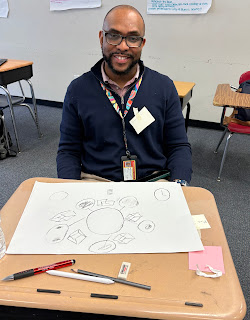
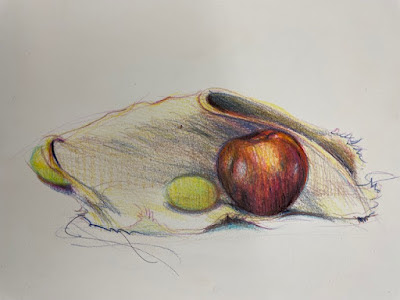
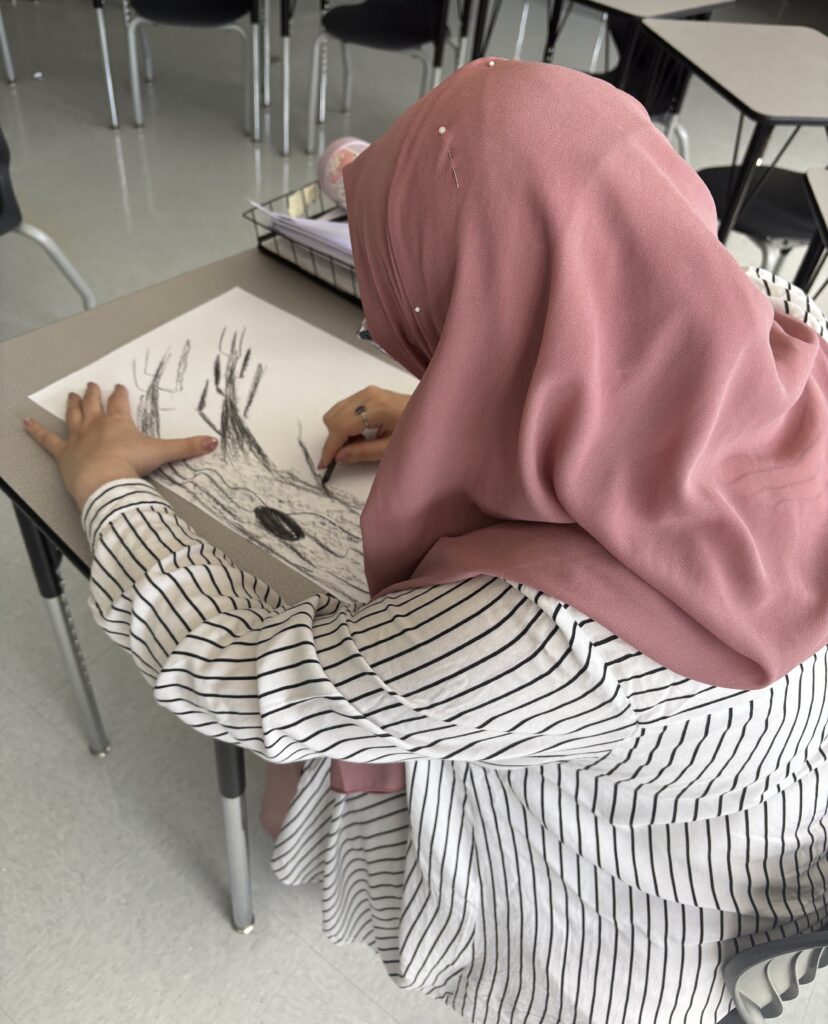
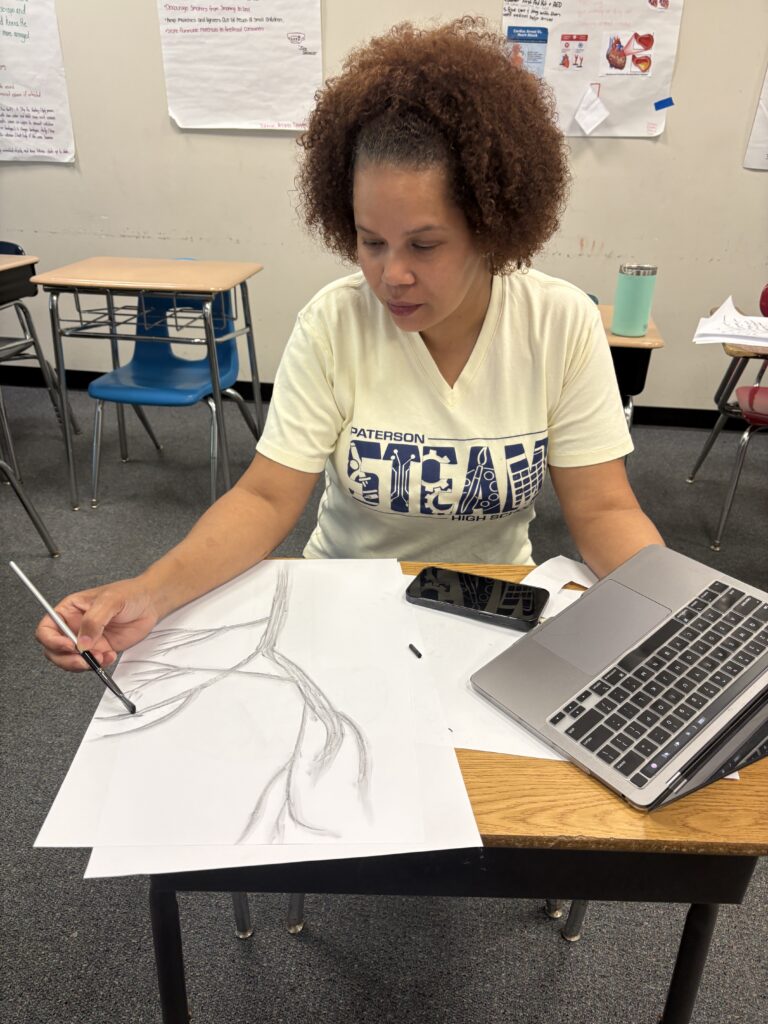
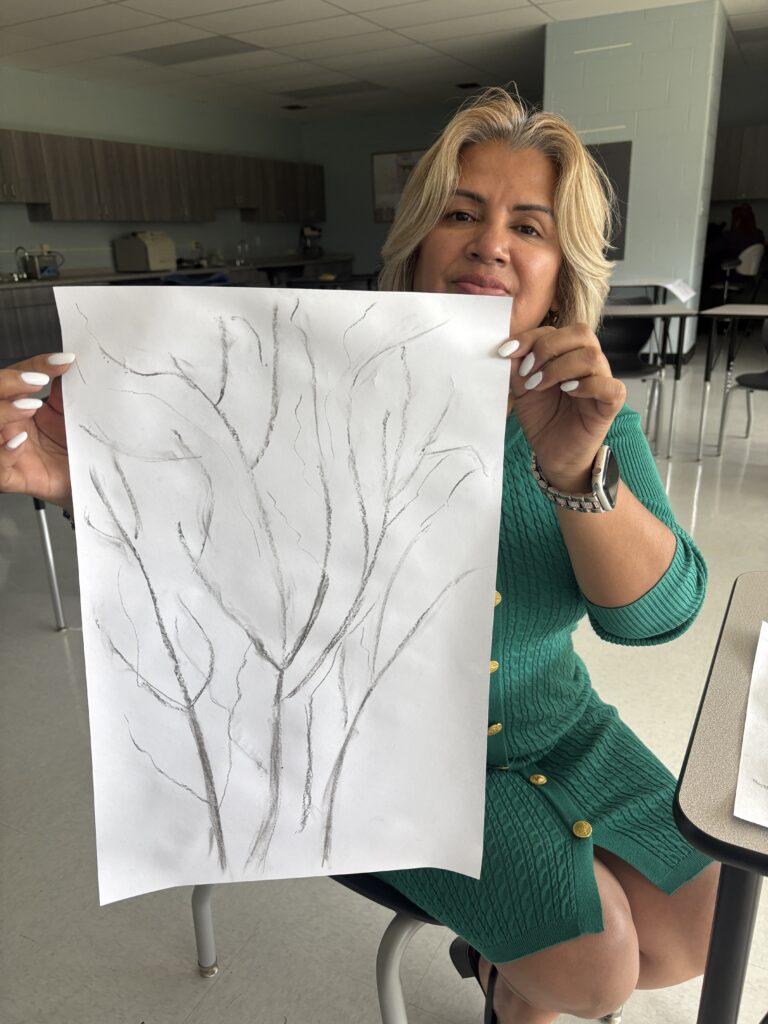
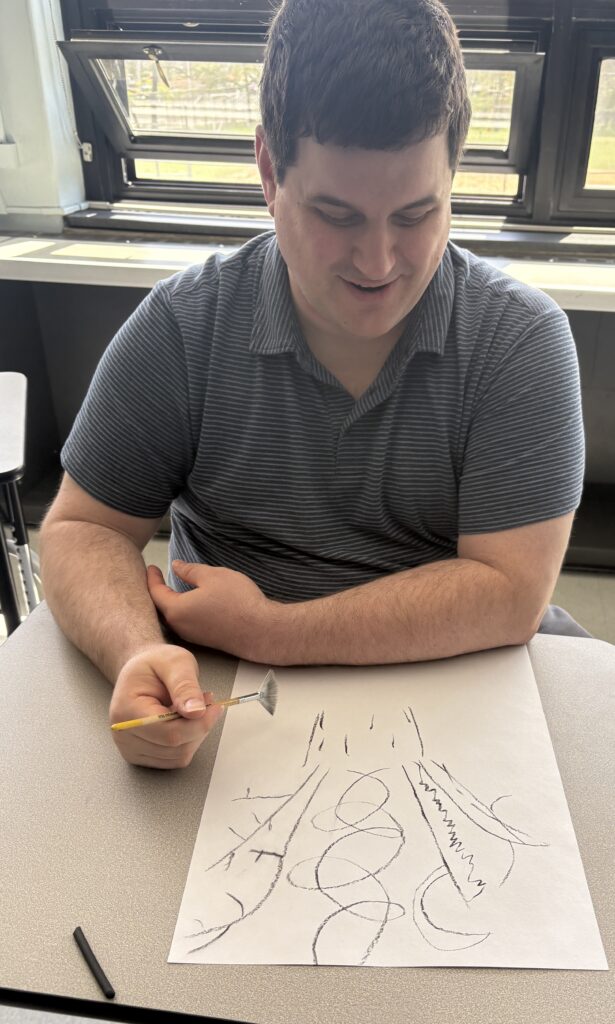
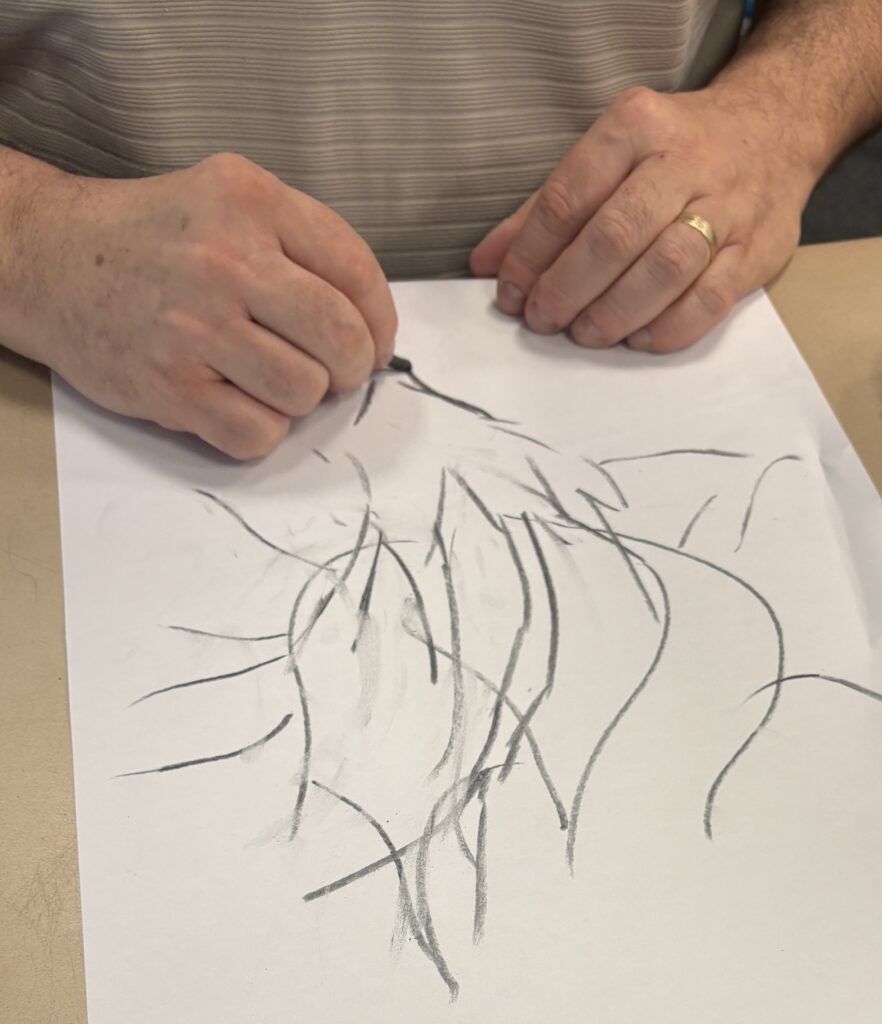
Educators will explore how hands-on observational drawing methods intersect with arts integration, combining visual art with other disciplines. Historic and contemporary drawings will be examined in terms of style, media, technique, and content, connecting them to students’ lives and experiences. Studio habits of mind and structured drawing practices will guide exploration, with possible focus areas including portraiture, self-portraiture, landscape, still life, found objects, interiors, exteriors, and abstraction, depending on teacher expertise, student interest, and grade level.
Special attention will be given to the unique needs of teachers and students, instructional content, and standards alignment. Educators are encouraged to bring their prior knowledge of arts integration and subject matter to this collaborative exchange.
Target Audience: K-12 Teachers
Aligned Standards: New Jersey Student Learning Standards in Visual and Performing Arts and Other Content Areas
Program Info
Grades: All Grades
Audience Limit: 25
Program Length: (1) 90-min Session (Additional time available at $350/hour)
Pricing Details
Workshop Cost Per Day: $1,450 + travel fee
Workshop Materials Fee: $200 and up
Travel Fee: $95/day
- Math & Science
- Reading, Writing, & Literature
- Visual Arts
A small cart for the hands-on materials workshops would be very helpful. (I will bring my own as well). An elevator if classroom is on the second floor.
What Our Partners Are Saying

Computer Science and Biology Teacher
Computer Science and Biology Teacher
“It was interesting to see how each teacher had a completely different interpretation of he same object(s).”
Engineering Teacher
Engineering Teacher
“Encouraging students to close their eyes and imagine shapes, forms, and structures could help them develop stronger spatial awareness and creative problem-solving skills. Drawing 3D shapes with their eyes closed might allow them to "feel" the space, similar to how architects start their designs with an internal vision before refining them into something tangible.”