Soul Steps

About the Artist

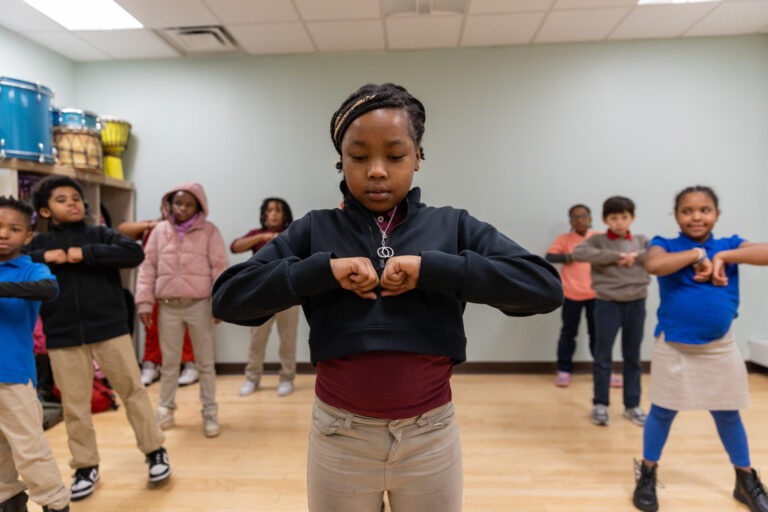
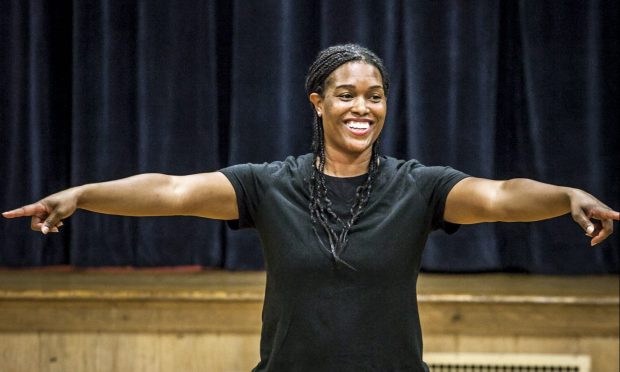
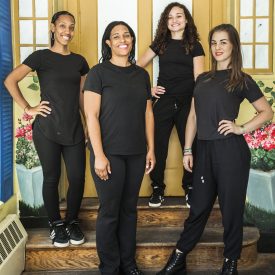
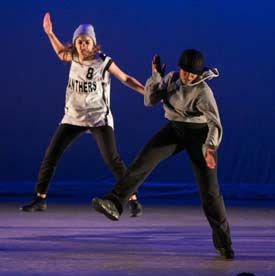
Soul Steps speaks the language of rhythm. Founded in 2005 by dancer/choreographer Maxine Lyle and based in NY/NJ, Soul Steps is dedicated to celebrating the African-American tradition known as “stepping.” They have toured all over the world, bringing step everywhere from Brooklyn to Kosovo. They have been featured on Good Day NY, CBS 2 News, Paris Fashion Week, and the Diesel Jeans viral video, “The A-Z of Dance.” Blending hip-hop rhythms, complex bodywork, and call and response, Soul Steps have been described in the New York Times as giving a performance that’s “electric and joyous.”

For me, what began as a childhood pastime has emerged into a life-shaping dream. As a young girl growing up in Newark, New Jersey, step dance was my main form of self-expression in a neighborhood with limited options and outlets. Too young to even be fully aware of the power I was tapping into at the time, step was the language I used to build a community for myself and it was my first access into the world of the performing arts.
As a child I did not go to the theater often or have an opportunity to see stories on stage that I could relate to. It was not until I saw tap dance legend and fellow Newark native Savion Glover in his Broadway show Bring in ‘Da Noise, Bring in ‘Da Funk that I experienced the power of the black oral storytelling tradition. I felt empowered and encouraged to know that African-American cultural stories could, in fact, have a special place in American theater. I felt even more empowered to know that those stories were being told by someone like me. Just as I was inspired by the thrilling magic of Savion Glover, I am now committed, through Soul Steps, to paving a path for other young people to see themselves represented on stage and to encourage them to have the strength to tell their own stories.

Through our performances we feature the personal and cultural stories of Soul Steps artists and the communities they represent. We invite audiences to join us in the process of celebration and self-discovery that are birthed through the dance. Step is built on the tradition of exchange and the audience is an integral part of the performance.  Audience members are invited to engage both vocally and physically with the action on stage, giving energy to the dance and ensuring that no two performances are ever the same.

For those of you who are familiar with the art of step, we hope to broaden your perceptions regarding the dynamics of this art form and we welcome you home to the fellowship of performers who share a passion for this craft. To those who will experience their first steps with us, we say join us on this journey, it’s been a long time coming.
Artist's Programs

Soul Steps Grade Levels: Kindergarten–8th
Dance & Movement

Soul Steps

Soul Steps speaks the language of rhythm! This showcase of the African-American dance tradition known as “stepping” explores how step started among African-American fraternities and sororities on college...

Program Type: Assembly Performances

Advancing a Step Curriculum Grade Levels: Kindergarten–5th
Dance & Movement

Advancing a Step Curriculum

In this professional learning workshop Soul Steps company member and founder Maxine Lyle will guide dance educators to experience the stomps, claps, and dynamic rhythms of the rich African American cultural tradition...

Program Type: Professional Learning

What Our Partners Are Saying

Young Audiences logo

Art Department Chair

Lacordaire Academy

Lacordaire Academy

“Our school was absolutely thrilled with the Soul Steps performance and I felt that your group went above and beyond in terms of not only their artistry but also taking the time to educate the audience about the history and cultural impact of step. What was especially gratifying was the connection that Maxine and each member of her ensemble had with the audience, whether it was for our lower/middle school or upper school students. She seamlessly knew how to engage the students and staff, regardless of age and made it a very warm open space for artistic expression and sharing.”

Young Audiences logo

Tracy Newman

Special Ed Teacher, Cranberry Pines Elementary School

Special Ed Teacher, Cranberry Pines Elementary School

“Soul steps has made a powerful impact in Cranberry Pines Elementary school, helping students explore African-American culture while building unity, confidence, and leadership. The program and powers are students, specially those less likely to engage, through movement, communication, and cultural pride.”

Young Audiences logo

Middlesex County STEM Charter School

Student

Student

“I liked how they told a story with their feet. I didn't know dance could do that.”

Young Audiences logo

“A moment that stood out was during Soul Steps, when students were fully immersed—clapping, responding, and connecting to the performance in a way that felt authentic and joyful. An administrator noted that it was powerful to see students exposed to culture and performance in such an interactive way, especially for those who may not otherwise have those opportunities.”

Young Audiences logo

“One of our teachers shared after the assemblies, “You could see students who don't usually participate completely locked in and engaged. They were talking about the performances long after they ended.” This was especially meaningful in our school, where many students don't often have access to experiences like this outside of school.”

Young Audiences logo

The New York Times

The New York Times

“Electric and also joyous...shines in floor-skimming speed, percussive embroidery.”

Young Audiences logo

6th-Grade Teacher

Somerville Middle School

Somerville Middle School

“The students were so engaged with the Soul Steps program, it would be very hard to top!!”

Young Audiences logo

Arts Department Chair

Lacordaire Academy

Lacordaire Academy

“Our school was absolutely thrilled with the Soul Steps performance and I felt that your group went above and beyond in terms of not only your artistry but also taking the time to educate the audience about the history and cultural impact of step.  What was especially gratifying was the connection that you and each member of your ensemble had with the audience,  whether it was for our lower/middle school or upper school students.  You seamlessly knew how to engage the students and staff, regardless of age and made it a very warm open space for artistic expression and sharing.”